Protecting Homes. Safeguarding Businesses
Rodent Control Perth
Professional rodent control to get rid of disease carrying rodents

“Pest Control Done Right”
Professional Rodent Pest Control Perth
Megatec Pest Services carry out safe and effective rodent pest control treatments to protect homeowners and businesses in Perth from disease carrying rodents.
Whilst getting rid of your rat or mouse problem is the key objective, designing safe rodent treatments is essential, to protect children, pets and native wildlife from accidental contact with rodent baits.
With the recent updates regarding rodenticide use, Megatec Pest Services can be trusted to get rid of your rodent problem safely, effectively and remain compliant with all regulations.
Licensed Experts
Fully accredited WA technicians.
Local Reliability
Family business servicing Perth northern suburbs,
Customised Services
Treatments tailored to your needs,
Priority Care
Rapid response for emergencies.
Request a Quote
Our Professional Rodent Treatments
Rodent control inspections are essential before we design our rodent treatments. We need to identify the species of rodent present, how they are getting into the building, where they are nesting and conditions which may have contributed to the rodent problem.
Designing a successful rodent treatment is about understanding rodent behaviour, as roof rats, sewer rats and house mice have very different behaviours requiring different types of rodent treatment.
Rat Control Perth
The type of rat control treatment we carry out depends on whether we are dealing with the roof rat (the most common type of rat) or the sewer or Norway rat. As their name suggests the roof rat typically nests above ground – roof cavities are ideal. Sewer rats tend to nest at ground level, often in burrow or sewers or in wall cavities. The type of rat has a big impact on where we place any rodent bait or traps.
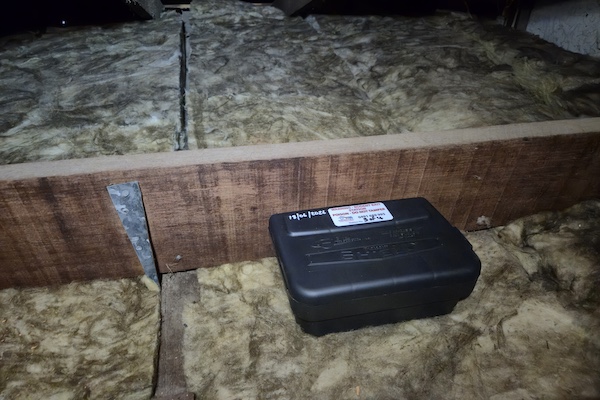
Rat baits are our primary tool to eliminate both types of rats. We always use lockable bait stations with our baits to prevent access from children, pets or native wildlife. In particularly sensitive areas we will use rat traps. For residential rat treatments we will come back to inspect after one month, depending on the type of bait we are using. For commercial rat control, our clients will typically be on a regular service plan.
The time it takes to get rid of rats depends on the level of infestation. Typically for rats in houses, it will take a couple of weeks to get rid of the rats. One of the reasons it tends to be a bit slower than mice treatments, is that rats are neophobic – they are frightened of new things in their environment. This means that when we place bait stations in their territory, it often takes several days for them to accept their presence. Of course, until they eat the bait, the treatment can’t start working.
Mice Control Perth
Mice control is achieved through a combination of mice bait and mouse traps. We always use lockable bait stations with our baits to prevent access from children, pets or native wildlife. In particularly sensitive areas we will use mouse traps. For residential mouse control treatments we will come back to inspect after one month, depending on the type of bait we are using. For commercial mouse control, our clients will typically be on a regular service plan.
It is generally quicker to get rid of mice, than it is to get rid of rats. This is because mice are very inquisitive and will explore anything new. So as long as we place the bait or mouse traps in the correct location, the mice will find them very quickly and the treatment will get to work straight away. Typically, mouse control treatments will get rid of mice in 1-2 weeks. If there is a major infestation, it may take longer.
Rodent Proofing
Rodent proofing is an essential aspect of rodent management – if you want to help prevent rats or mice entering a building, it is necessary to carry out some rodent proofing. When we carry out a rodent treatment we will identify potential rodent entry point and make recommendations for rodent proofing. We do offer rodent proofing services for additional fee, so can carry out many of the necessary rodent proofing actions ourselves. However, sometimes we will make recommendations which may require an additional tradesman. Eg. Sometimes we may recommend installing gutterguard to prevent roof rat access.
Rodent proofing cannot provide a 100% guarantee that rodents will not get inside the building, as rats can enter holes as small as the end of your thumb, and mice through holes the size of the end of your little finger! However, it can make it a lot hard for rodent to get in.
Warranty*
We will guarantee elimination of your rodent problem. However, we do not provide long term warranties as new rodents can move in any time. The chance of a future rodent infestation is greatly reduced, with rodent proofing and improvements to hygiene practices.
Why Choose Megatec Pest Services?
- Local, family run business
-
Fully licensed and insured
- Residential and Commercial Pest Control Services
- Termite Specialists – Inspections and treatments
- We take our time to get the job properly
- For superior service and superior service, give us a call!

What our customers say
Rodent Control FAQ
What to expect from our rodent treatments?
Our rodent treatments take several weeks to eliminate the infestation, typically 1-2 weeks to get rid of mice and 2-4 weeks to get rid of rats. However, it can take longer depending on the level of infestation and whether the rodents are nesting inside or outside the building. As rats are neophobic (frightened of new things), the time it takes for them to accept and eat the bait will also impact the time it takes to eliminate the infestation. Whether there are competing food sources may also impact how long it takes before they eat the bait – this is why good hygiene practices are important.
How does rat bait work?
How rat bait works, depends on the type of rodenticide in the bait. The most common type of rodenticides are anticoagulants. After eating the bait, the rodenticide gradually thins the blood, causing bleeding internally. The rodent eventually falls asleep and dies.
Mouse bait is the same as rat bait – rodent baits can be used for all pest rodents.
How long does rat bait take to work?
Once a rodent has eaten the bait it can take 3-7 days for the rodent to die, depending on how much bait was eaten and the size of the rodent.
Do possums eat rat bait?
Yes, possums will eat rat bait, and rat bait will kill possums. It is illegal to harm native wildlife. Throwing rodent bait into the roof void is no longer legal. A professional rodent treatment is generally the safest and best way to get rid of rats and mice, without harming possums and other native wildlife.
How to prevent rats and mice entering house?
Actions to prevent rats and mice entering houses and buildings can be grouped into two areas – physically prevent them from entering the building and remove potential food sources.
-
Carry out mice proofing and rat proofing actions
- Block holes and cracks that allow access to the building
- Make sure doors are well fitted with good screens and weather strips
- Make sure vegetation is cleared from the building perimeter as it provides protection for rodents
- Make sure trees over hanging the roof are trimmed back to eliminate roof rat access
-
Maintain good hygiene practices – remove potential sources of food
- Don’t leave dirty dishes out
- Clean up food spills
- Keep the cooker and grill clean
- Keep food in sealed containers
- Keep garbage in sealed bins
- Don’t leave uneaten petfood out
Signs of rats and mice
-
Rodent droppings – the presence of droppings is a sure sign you have rodents in the house:
- Rat droppings – Sewer rat up to 20mm, cylinder shape with blunt ends. Roof rat droppings on to 15 mm, cylinder shape with pointed tip at one end.
- Mouse droppings – up to 5 mm, with pointed tip at one end. Similar size to grain of rice.
-
Sounds – squeaking and scratching during the night.
- Rats, can be quite noisy as them move and fight in the roof cavity and wall voids
-
Gnaw marks
- Rodents chew hard materials to file down their teeth
- Teeth marks on fruit and vegetables, and cardboard boxes
-
Nesting material
- Rodents collect a variety of soft materials, including insulation, paper and leaves for use in their nests
-
Rub marks
- Rodents establish regular foraging paths or runways. They leave greasy marks from their fur on the walls and surfaces
-
Musky / urine smell
- When established rodent create a typical musty / urine smell
Types of cockroaches in Perth
There are three main species of pest rodents, the roof rat, the sewer rat and the house mouse. The roof rat and house mouse are the most common pest rodents in Perth.
House Mouse
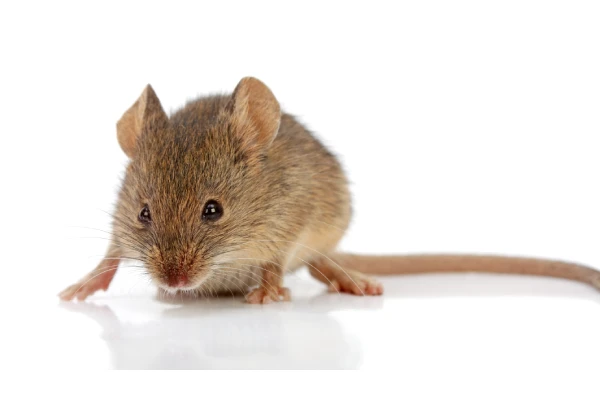
The house mouse, as its name suggests, is well adapted to living in human dwellings. They can nest in wall voids, cupboards, boxes and even furniture. They typically only travel up to 5 m from their nest to a feeding site. They have a very quick breeding cycle so a couple of mice can create an infestation in a matter of weeks!
Show more +
Roof rat (Black rat)
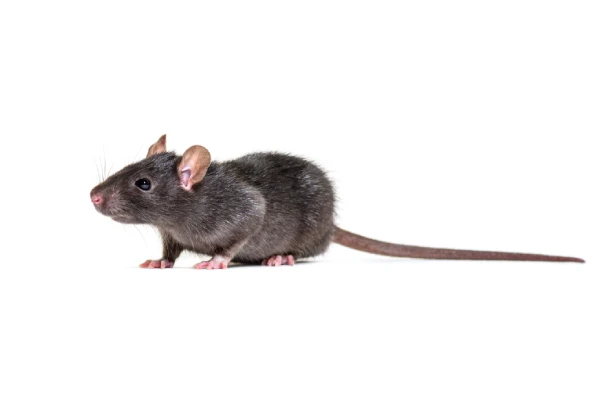
The roof rat has several other common names, including the black rat and ship rat, as well as its latin name, Rattus rattus. It is the most common rat in Perth. As its name suggests it is arboreal, living above ground and would normally nest in trees, but loves to nest in roof cavities. Although it is sometimes called the black rat, it can vary in colour from black to light grey / brown, typical with a pale underside. Body and tail length can be up to 45 cm, with the tail longer than the body. It has large ears, compared to the sewer rat.
Show more +
Sewer rat (Brown rat)
The sewer rat has several other common names, including the black rat and Norway rat, as well as its latin name, Rattus norwegicus. The sewer rat is generally a ground dwelling rat, nesting in burrows, but will also nest in and around buildings. It is a larger and heavier rat compared to the roof rat, with the tail shorter than the body. They have a complex social system with a dominant female.
Show more +Get lasting protection for your home and business
from annoying rodents.
Get your free, no-obligation inspection today.
Request a Quote